
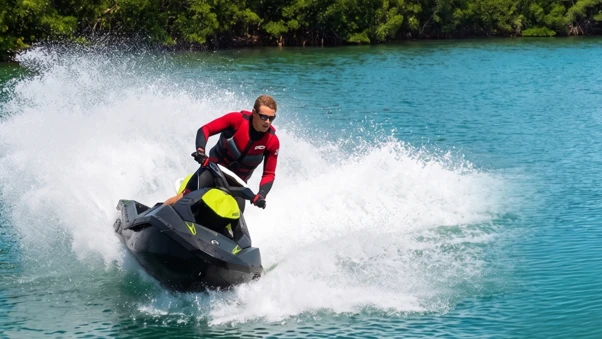
Winter Boat Storage: 5 Expert Tips| Outdoor Covers Canada
Posted by Outdoor Covers Canada on 21st Aug 2026
5 Winter Boat Storage Tips For A Canadian Winter
Proper winter boat storage can make the difference between a smooth spring launch and an expensive repair bill. Canadian winters subject boats and personal watercraft like jetskis or kayaks to freeze–thaw cycles, heavy snow loads, UV exposure, and months of trapped moisture. These conditions degrade gelcoat, crack engine blocks, and warp hulls.
Here are five storage practices that can help: preparation, winterization, cover selection, hull support, and ongoing moisture control. It draws on the product and climate experience of Outdoor Covers Canada, a Canadian supplier of marine covers designed specifically for this country's storage season. While the specific steps may vary between a runabout, a jet ski, or a kayak, applying these universal principles will ensure your watercraft is protected all winter and ready for the water come spring.
Key Takeaways
- Clean, dry, and inspect your watercraft completely before storage; trapped moisture, freezing water, corrosion, and residue can cause significant off-season damage.
- Winterize engines and water systems before the first hard freeze—typically late September to early November across most of Canada.
- Use a breathable, weatherproof, fitted cover rather than a plastic tarp to prevent condensation, mould, and abrasion.
- Support the hull correctly: boats on properly positioned stands or trailers, kayaks and canoes on their sides or gunwales, never flat on the hull.
- Check on stored watercraft monthly to clear snow load, confirm ventilation, and catch problems before spring.
Tip 1: Clean and Dry Everything Before It Goes Into Storage
Storage locks in whatever condition your watercraft is in on day one. Salt, algae, fuel residue, and organic debris left on a hull for five months will stain gelcoat, corrode fittings, and feed mould. Wash the exterior with a marine-safe cleaner, flush the engine or jet pump with fresh water, and drain all water from the bilge, livewells, and ballast systems.
Interior moisture is also a common failure point. Remove cushions, life jackets, ropes, and electronics and store them indoors. Then allow the craft to dry completely before covering it. Covering a damp boat can cause off-season mildew damage.
- Wash and rinse hull, deck, and hardware
- Flush cooling systems and jet pumps with fresh water
- Drain bilge, ballast, and plumbing lines fully
- Remove soft goods and electronics for indoor storage
- Dry the craft completely before covering
If you maintained your craft through the summer, this step is faster; our guide to summer watercraft care covers the in-season routine that makes fall prep easier.
Tip 2: Winterize Engines and Systems Before the First Hard Freeze
General Rule: Complete winterization between late September and early November (before sustained temps below 0°C). Water expands ~9% when it freezes, meaning left-over moisture can crack components and cause repairs that cost more than the winterization itself.
|
Watercraft |
Fuel & Engine |
Cooling System |
Battery |
Storage & Hull Specifics |
Primary Freezing Risk |
|
Boats |
Fill tank and add stabilizer (reduces condensation); change engine oil |
Drain system or circulate marine antifreeze (per manufacturer) |
Disconnect for indoor trickle-charging |
N/A |
Cracked engine blocks and cooling passages |
|
PWCs & Jet Skis |
Stabilize fuel and follow the manufacturer's procedure for engine fogging or lubrication. |
Flush jet pump; circulate antifreeze (if required) |
Remove from craft |
Seal exhaust outlet and intake against nesting rodents |
Cracked components; rodent infestations in outdoor hulls |
|
Kayaks & Canoes |
N/A |
N/A |
N/A |
Open drain plugs; leave hatches slightly vented; dry out sealed bulkheads |
Delamination of composite hulls from trapped, freezing water |
Tip 3: Choose a Purpose-Built Winter Cover, Not a Plastic Tarp
Cover selection determines how well every other step holds up. Generic polyethylene tarps trap condensation against the hull, flap and abrade finishes in wind, and become brittle in extreme cold. Purpose-built winter boat storage covers solve all three problems: they are cut to the craft's shape, made from breathable yet weatherproof boat tarp materials such as marine-grade polyester, and secured with straps rather than loose rope.
When choosing boat covers for winter storage, look for four key attributes:
- Breathability with water resistance — the fabric must shed rain and snow while letting interior moisture escape.
- UV stabilization — winter sun at low angles still degrades untreated fabric and the gelcoat beneath it.
- Fitted or semi-custom sizing — a snug fit prevents wind whip, pooling, and snow intrusion.
- Reinforced tie-down points — straps rated for snow load and Canadian wind conditions.
Match the cover to the craft: fitted boat covers for runabouts and fishing boats, contoured PWC and jet ski covers for personal watercraft, and lighter canoe and kayak covers for paddle craft. For craft stored outdoors, a support frame or pole under the cover keeps snow shedding off rather than pooling in the cockpit area.
Tip 4: Support the Hull Correctly for the Full Storage Period
A hull that sits wrong for five months deforms. Fibreglass and polyethylene both creep under sustained point loads, and cold makes the problem worse.
- Boats on trailers: Ensure bunks or rollers contact the hull at structural points, take weight off the tires, and level the trailer with a slight bow-up angle so precipitation drains aft.
- Boats on stands or cradles: Position stands under bulkheads and the engine area, never mid-panel, and use enough stands for the hull length.
- PWCs: Store on the trailer or a purpose-built stand. Avoid storing directly on the ground, where moisture wicks upward.
- Kayaks and canoes: The core of practical kayak winter storage tips is orientation. Store kayaks on their sides on padded racks or hang canoes gunwales-down. Storing either flat on the hull, or hanging by the ends, causes oil-canning and permanent deformation. Keep them out of direct sun even in winter.
Where Should You Store a Boat for Winter?
- Indoor Storage: The best location for off-season watercraft storage depends on your watercraft, available space, and local weather conditions. Indoor storage provides the most protection from snow, ice, UV exposure, and temperature swings. If indoor storage is not available, covered outdoor storage can work well when the boat is properly winterized, supported, and protected with a fitted, weather-resistant cover.
- Outdoor Storage: Choose a stable, well-drained surface such as gravel or pavement rather than grass or soil, which can contribute to moisture exposure. Keep the watercraft away from areas where falling branches, drifting snow, or standing water could create additional risks. Whatever storage location you choose, make sure the hull is properly supported and the cover is secure and well ventilated.
Tip 5: Manage Moisture and Check In Monthly
Off-season storage is not "set and forget." Even with a breathable cover, interior humidity fluctuates through freeze–thaw cycles. Place moisture absorbers or a small ventilation gap in enclosed cabins, leave interior compartments cracked open, and prop cushioned surfaces so air circulates beneath them.
Then schedule a brief monthly check:
- Clear heavy snow accumulation from the cover before it compacts into ice
- Confirm straps are tight and the cover has not shifted or chafed
- Look for rodent activity around intakes and exhausts
- Verify no water is pooling on or under the craft
- Check the stored battery's charge
Ten minutes a month could prevent the two most expensive off-season outcomes: a collapsed cover under snow load and a mould remediation in spring.
Why Choose Outdoor Covers Canada
- Canadian-climate engineered: Built specifically to withstand harsh freeze-thaw cycles, sub-zero temperatures, and heavy snow loads.
- Marine-grade fabrics: Crafted from tough, UV-stabilized polyester to prevent fabric degradation under harsh winter sun.
- Anti-mould breathability: Weatherproof materials allow interior condensation to escape, preventing mildew in cabins and on upholstery.
- Storm-secure fastening: Reinforced tie-down straps and contoured designs ensure a snug fit that prevents wind-whip and stops snow from pooling.
- Complete versatility: Fitted and semi-custom sizing designed specifically for the boats, jet skis, canoes, and kayaks Canadians actually store.
Why Canadian Boaters Store With Outdoor Covers Canada
Successful winter boat storage comes down to the details: dry surfaces, complete winterization, correct hull support, and a cover engineered for the climate it will face. Outdoor Covers Canada supplies breathable, UV-stabilized watercraft covers sized for the boats, PWCs, canoes, and kayaks Canadians actually store—through Canadian winters, not milder climates the products were designed around elsewhere.
If you are preparing a boat, jet ski, or paddle craft for storage this fall, review the fitted cover options for your craft type, confirm the measurements against your hull, and cover it before the first snowfall. To match a cover to your storage plan, browse the full range of watercraft, boat, PWC, and kayak covers or contact us if you have any questions.
Frequently Asked Questions
Clean and fully dry the boat, winterize the engine and plumbing with marine antifreeze, stabilize the fuel, remove the battery and soft goods, and support the hull on a properly adjusted trailer or stands. Then fit a breathable, weatherproof winter cover with a support frame so snow sheds off, and check the boat monthly through the season.
Yes. Any PWC stored where temperatures drop below 0°C must be winterized. Flush the jet pump, run antifreeze through the cooling circuit if the manufacturer specifies it, fog the cylinders, stabilize the fuel, and remove the battery. Water left in the cooling system expands when frozen and can crack the engine block or exhaust components.
Yes, if it is stored correctly. Keep the kayak off the ground on a padded rack, positioned on its side to prevent hull deformation, drained of all water, and protected by a fitted, UV-resistant cover. Avoid storing it flat on the hull, hanging by the grab handles, or under an unvented plastic tarp that traps condensation.
A fitted cover is the better choice. Plastic tarps trap condensation against the hull, abrade the finish when they flap in wind, and turn brittle in deep cold. Fitted marine covers are breathable, UV-stabilized, and secured with straps, so they shed snow and rain while letting interior moisture escape—preventing the mould and finish damage tarps commonly cause.
Mould needs moisture, so eliminate it before covering. Dry the boat completely, remove cushions and fabrics for indoor storage, prop compartments open for airflow, and place moisture absorbers in enclosed spaces. Use a breathable cover rather than sealed plastic, and clear snow monthly so meltwater cannot pool and seep beneath the cover during thaw cycles.
Yes. A non-breathable cover traps the moisture that evaporates from the hull and interior, which condenses on cold days and feeds mould and mildew. Breathable marine fabrics shed rain and snow from the outside while allowing water vapour to escape from the inside. This combination is the standard for long-term outdoor storage in Canadian conditions.
In most of Canada, no. Ice formation can crush hulls, damage drive systems, and tear boats from moorings. Unless you are in a rare ice-free harbour with bubbler systems and professional monitoring, haul the boat out, winterize it, and store it on land. Dry-land storage with a proper cover is the lower-risk, lower-cost option for nearly all owners.
Winterize before the first sustained freeze—typically late September in the Prairies and northern regions, and mid-October to early November in southern Ontario, Québec, and coastal British Columbia. Do not wait for the forecast; a single hard overnight frost can crack an engine block. Once the season ends and the craft is dry, winterize and cover it promptly.