
Patio Chair Covers: Stop Bird Poop & Sap Damage
Posted by Outdoor Covers Canada on 2nd Jul 2018
Patio Chair Covers: How to Protect Outdoor Furniture from Bird Droppings, Tree Sap, and Weather
Patio chair covers are often bought with rain and snow in mind, but the more frequent threats to outdoor furniture are the ones people overlook: bird droppings, tree sap, pollen, and sustained UV exposure.
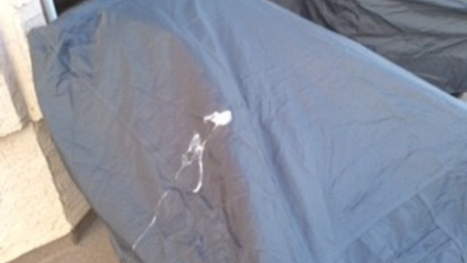
One Outdoor Covers Canada customer installed a set of Avalon patio chair covers before leaving their patio for the afternoon. Within minutes, birds had left droppings across the covers instead of the furniture underneath. Rather than cleaning cushions or worrying about permanent stains, the homeowner simply wiped down the cover. It's a simple example of how patio chair covers protect furniture from everyday damage that often goes unnoticed until it's too late.
Key Takeaways
- Patio chair covers protect against more than rain and snow. Bird droppings, tree sap, pollen, and UV rays cause the majority of warm-season damage to outdoor furniture.
- Bird droppings are corrosive. Their uric acid content can stain and etch cushions, wood, and metal finishes if left to dry.
- Tree sap bonds to surfaces and hardens, making it difficult to remove without damaging the material underneath.
- Fit and fabric determine effectiveness. A cover that traps moisture or blows off in wind provides little real protection.
- Year-round covering extends furniture lifespan and reduces cleaning, refinishing, and replacement costs.
Why Patio Chair Covers Are a Year-Round Necessity
Most homeowners associate outdoor furniture protection with winter storage. That framing is incomplete. The peak-use months—spring through fall—expose furniture to a wider range of contaminants than snow ever does. Furniture sits uncovered precisely when birds are most active, trees are shedding sap and pollen, and the sun is strongest.
The result is cumulative, low-visibility damage. A single bird dropping seems trivial. A season of them, combined with sap and UV fading, produces cushions that are stained, fabric that is weakened, and finishes that are dulled. Patio chair covers address the exposure that occurs during the months furniture is actually in use, not only the months it sits idle.
The Overlooked Threats to Outdoor Furniture
Beyond precipitation, outdoor furniture faces several agents of degradation:
|
Threat |
Primary Impact on Materials |
Cleaning / Prevention Challenge |
|
Bird Droppings |
• Stains fabric
• Uric acid etches protective finishes on wood and metal |
• Dries into a hard bond
• Removing it often requires abrasive scrubbing that causes further surface damage |
|
Tree Sap |
• Leaves a sticky residue
• Hardens over time into a lacquer-like crust |
• Often requires harsh solvents to dissolve, which can discolor fabrics or strip protective coatings |
|
Pollen |
• Settles deep into fabric weaves and cushion seams
• Stains surfaces and accumulates allergens |
• Extremely fine particles are difficult to brush out once embedded in fibers |
|
UV Radiation |
• Fades fabric colors
• Degrades cushion foam resilience
• Makes synthetic plastics and resins brittle |
• Continuous and unavoidable during daylight; standard rain covers do not block all UV light |
|
Airborne Dust & Pollution |
• Particulate buildup dulls glossy finishes
• Grinds into fabric fibers, causing premature wear |
• Constant, silent accumulation that is easily overlooked until the damage is done |
Each of these operates independently of weather. A cover that only protects against rain leaves furniture exposed to the contaminants that are, in practice, more constant.
Why Bird Droppings Deserve Specific Attention
The Avalon anecdote is instructive precisely because it is mundane. The customer did nothing unusual; they installed covers and walked away. Minutes later, birds did what birds do. Had the chairs been uncovered, the outcome would have been a staining incident requiring immediate cleanup to prevent the uric acid from setting.
How Bird Droppings Permanently Damage Outdoor Furniture
Uric acid is the operative concern. Unlike surface dirt, it chemically interacts with materials. On powder-coated metal it can dull or pit the finish. On untreated or oiled wood it penetrates and stains. On fabric cushions it leaves marks that resist standard cleaning. The damage escalates the longer the dropping remains, and outdoor furniture is frequently left unattended for days. A cover intercepts the contact entirely.
The Government of Canada's Canadian Conservation Institute also recommends regular maintenance of outdoor objects and notes that bird droppings and other environmental contaminants can damage outdoor surfaces over time.
What Separates an Effective Cover from an Ineffective One
Not all outdoor chair covers perform equally. A poorly designed cover can create problems it was meant to prevent, trapping moisture against furniture and promoting mildew, or fitting so loosely that wind removes it. Evaluating patio chair covers on the following criteria produces better outcomes than price alone.
Fabric and Weatherproofing
Weatherproof patio covers should shed water while allowing internal moisture to escape. Fully sealed, non-breathable materials can trap condensation, so effective covers balance water resistance with ventilation. Fabric should also carry UV-resistant treatment, since the cover itself is exposed to the same sun that degrades furniture.
Fit and Securement
A cover that does not fit the furniture's dimensions leaves gaps for contaminants and wind. Look for covers with:
- Dimensions matched to the specific furniture type—chair, lounge chair, loveseat, or sofa.
- Securing mechanisms such as tie-downs, drawstrings, or buckle straps to resist wind displacement.
- Shaping that allows water to run off rather than pool on top.
Durability Over Seasons
A cover is only economical if it outlasts several seasons. Seam construction, zipper or fastener quality, and fabric weight all determine whether a cover degrades within a year or protects for many. Reinforced seams and corrosion-resistant hardware are practical indicators of longevity.
Matching the Cover to the Furniture
Different furniture requires different protection. A single cover style rarely fits an entire patio set well. Outdoor Covers Canada organizes its range by furniture type, which allows for accurate fit:
- Individual seating is served by dedicated chair covers and lounge chair covers.
- Larger seating is addressed by loveseat and sofa covers.
- Full-set and mixed arrangements can be covered using the broader patio furniture covers
For specialized or oversized equipment that standard sizing does not accommodate, custom options such as the Armadillo WinterLux custom equipment cover are available by quote.
Why Outdoor Covers Canada
- Built for Canadian Conditions: Engineered specifically to withstand Canada's diverse climate, from intense summer sun and tree sap to heavy winter snow.
- Custom-Engineered Fit: Features the Avalon line, designed for precise fit and material performance rather than generic, loose sizing.
- Beyond Rain Protection: Prevents degradation from constant, dry-weather threats like UV rays, pollen, and acidic droppings, not just precipitation.
- Proven Performance: Validated by real-world customer experiences that demonstrate how quickly unprotected furniture degrades.
- Preventative Defense: Intercepts environmental contaminants before they cause permanent physical and chemical damage to wood, metal, and fabric.
Protecting Furniture Is More Valuable Than Replacing It
Refinishing a bird-stained wood chair, reupholstering a sap-damaged cushion, or replacing a UV-faded set costs considerably more than the covers that would have prevented the damage. Premium patio chair covers are a valuable measure against a broad set of predictable threats, most of which occur during active use rather than storage.
For furniture owners weighing whether covers are worthwhile, the relevant comparison is not the cover's price against zero, but against the cumulative cost of cleaning, refinishing, and eventual replacement. Reviewing the patio furniture covers range by furniture type is a practical starting point for matching protection to a specific setup.
Frequently Asked Questions
Yes. Patio chair covers create a physical barrier that prevents bird droppings from contacting furniture surfaces. This matters because droppings contain uric acid, which can stain fabric and etch wood or metal finishes. A cover intercepts the droppings entirely, so the furniture underneath stays clean and no acidic residue is left to set into the material.
Remove fresh droppings promptly by softening them with warm soapy water, then wiping gently to avoid scratching the surface. Avoid abrasive scrubbing, which can damage finishes. Dried droppings are harder to remove and may require repeated soaking. Prevention with a cover is more effective than cleaning, since it eliminates the acidic contact that causes staining in the first place.
A well-designed cover will not, because it balances water resistance with breathability, allowing internal moisture to escape. Mildew problems typically arise from fully sealed, non-breathable materials or from covering furniture that is already wet. To prevent mildew, ensure furniture is dry before covering and choose covers designed with ventilation.
Fresh sap can sometimes be lifted with warm soapy water or a mild solvent, tested first on a hidden area. Hardened sap is more difficult and may require specialized removers that risk discoloring the surface. Because removal is often damaging, preventing sap contact with a cover is the more reliable approach, particularly for furniture placed beneath trees.
Yes. Summer exposes furniture to bird droppings, tree sap, pollen, and intense UV radiation—contaminants that are more constant than winter precipitation. Furniture is also in active use during these months, increasing exposure. Covering furniture when not in use during warm seasons prevents cumulative staining and fading that occurs precisely when many owners assume covers are unnecessary.
Look for water-resistant yet breathable fabric, UV-resistant treatment, dimensions matched to your specific furniture, and securing features such as tie-downs or straps to resist wind. Seam quality and hardware durability determine how many seasons the cover will last. A cover that fits accurately and sheds water without trapping condensation provides the most reliable protection.
Lifespan varies by fabric weight, construction quality, and climate exposure. Well-constructed covers with reinforced seams and corrosion-resistant hardware can protect furniture for multiple seasons, while low-quality covers may degrade within a single year. Fabric weight and UV resistance are the strongest indicators of longevity, since the cover itself is continuously exposed to sun and weather.
Generally no. Accurate protection requires covers matched to specific furniture dimensions—chairs, lounge chairs, loveseats, and sofas each have distinct shapes. A cover sized for one type will leave gaps or fit loosely on another, allowing contaminants and wind underneath. Selecting covers by furniture type produces a closer fit and more effective protection than a single universal cover.
Measure the height, width, and depth of your patio chair, including the tallest and widest points. Compare these measurements with the cover's dimensions, allowing a small amount of extra room for easy installation while avoiding an overly loose fit that can collect water or blow away in strong winds.